
Electronic Building Identity
- Home
- Electronic Building Identity
Electronic Building Identity (Property ID) – Building Identity Register
What is the Electronic Property Identity?
The Electronic Property Identity is the file that contains all the details of a building, together with the details of its owner(s), the National Cadastre Code Number (KAEK), the building permits, its energy class, the declarations for the regularisation of unauthorised constructions, the type of structural inspection of the building and the topographical details of the plot.
Essentially, it is a single digital database that contains all the supporting documents, details and drawings for each property, and only once a property has one will the regularisation of unauthorised constructions be fully completed.
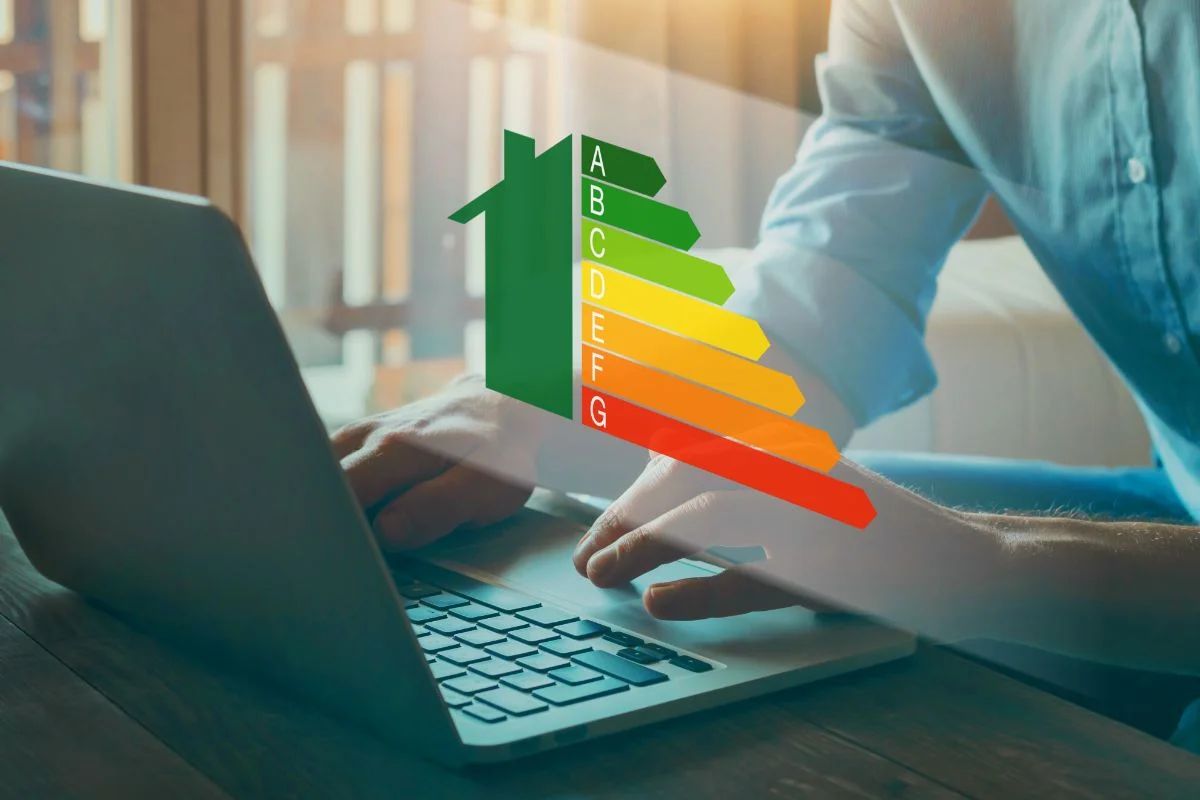
It is now mandatory
The Electronic Property Identity is now mandatory and all buildings are being recorded in the relevant system. Issuing and holding an electronic identity applies to both old and new buildings, private and public. If you would like to learn in detail what the electronic building identity is, how it is issued, which documents are required and much more, you will find the text below particularly useful.
In essence, the Building Identity is the Electronic File which, once submitted, presents the existing condition of the building and any changes to it during its lifetime, in accordance with Law 4495/2017 on the protection of the built environment (Government Gazette A167/3.11.2017)

Which buildings it applies to
Issuing an Electronic Building Identity applies to all buildings and divided properties that are either being transferred (for old buildings and properties) or are issuing new building permits (for new buildings and properties). Property owners across the country are therefore required to appoint a private engineer who will carry out an on-site inspection and issue a Certificate of Identity Completeness for their building.
And all unauthorised constructions
In addition, all unauthorised constructions must also obtain an Electronic Property Identity, as mentioned above. The deadline given to buildings depends on the category they belong to. There are two categories.
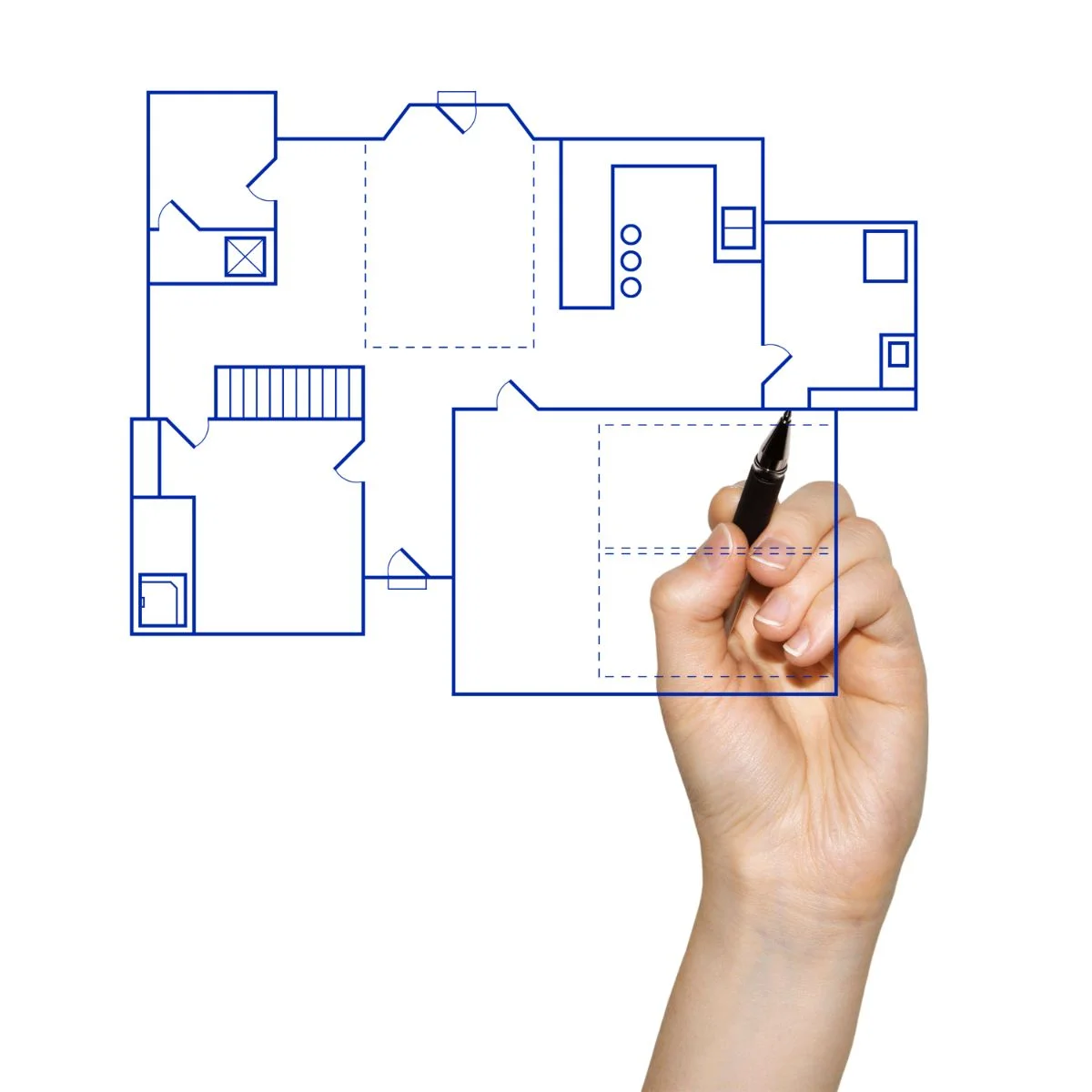
What details are recorded in the Electronic Identity?
Since early 2021 the “Building Identity” digital platform of the Technical Chamber of Greece (TEE) has been in operation. Besides buildings, the same legislation also covers undeveloped plots/land and independent divided properties. The electronic identity aims to record the existing condition of the building and its permits, and also to monitor and check any changes to it during its lifetime.
The details recorded in the Electronic Identity are:
- A description of the plot, or of the land if outside the town plan
- The number of structures
- A detailed description of the building or buildings
- The deeds establishing horizontal or vertical properties
- The number of floors
- EPC
- Reference to the planning regime of the property’s area, including whether or not a special protection regime applies
What documents are required for registration in the Electronic Building Identity?
Gathering the necessary documents is a very important step in issuing the Electronic Property Identity. In fact, it is often the only time-consuming stage. In more detail, under Law 4495 the following documents are required:
- The building’s cost allocation study (if any)
- The table of ownership shares (for common areas or an independent divided property)
- The construction inspection certificate (if issued)
- The energy performance certificate for parts of the building or the whole building
- The Structural Vulnerability Report for Unauthorised Constructions (DE.DO.T.A) and/or the structural adequacy study and/or the technical report of the structural inspection (if requested)
- The floor plans, the accessibility study for people with disabilities, the characteristic elevations and sections (if required) and the plan drawings showing the building / divided property – excluding common areas – in its actual condition, where this does not follow from the documents in cases a, b and e
- The declarations of inclusion under laws suspending penalties for unauthorised constructions
- The documents (and updates/revisions) of the permits for building works (e.g. Building Permit)
- The drawings accompanying the building permit (or, if they do not exist, a certificate of loss from the competent Building Department)
Once all the above documents have been gathered and uploaded, the authorised engineer you have appointed issues the certificate of completeness electronically.
Find out the exact cost now from Fouskas Construction
CALL US
VISΙΤ US
OPENING HOURS
- Monday - Friday: 09.00-17.00
- Saturday: 09.00-14.00
Learn everything about the process of issuing the Electronic Property Identity
The Electronic Building Identity
The Electronic Building Identity is now mandatory and all buildings are being recorded in the relevant system. Issuing and holding an electronic identity applies to both old and new buildings, private and public. If you would like to learn in detail what the electronic building identity is, how it is issued, which documents are required and much more, you will find the text below particularly useful.
In essence, the Building Identity is the Electronic File which, once submitted, presents the existing condition of the building and any changes to it during its lifetime, in accordance with Law 4495/2017 on the protection of the built environment (Government Gazette A167/3.11.2017)
What is the Electronic Building Identity?
The Electronic Building Identity is the file that contains all the details of a building, together with the details of its owner(s), the National Cadastre Code Number (KAEK), the building permits, its energy class, the declarations for the regularisation of unauthorised constructions, the type of structural inspection of the building and the topographical details of the plot.
Essentially, it is a single digital database that contains all the supporting documents, details and drawings for each property, and only once a property has one will the regularisation of unauthorised constructions be fully completed.
Key information about its purpose
It came into effect in early 2021, when the “Building Identity” digital platform of the Technical Chamber of Greece (TEE) was also launched. Besides buildings, the same legislation also covers undeveloped plots/land and independent divided properties. The electronic identity aims to record the existing condition of the building and its permits, and also to monitor and check any changes to it during its lifetime.
In addition, the file includes:
- The floor plans
- The energy performance certificate
- The building permit
- The declarations of inclusion under laws suspending penalties for unauthorised constructions
- The table of ownership shares
The details recorded in the Electronic Identity are:
- A description of the plot, or of the land if outside the town plan
- The number of structures
- A detailed description of the building or buildings
- The deeds establishing horizontal or vertical properties
- The number of floors
- EPC
- Reference to the planning regime of the property’s area, including whether or not a special protection regime applies
Electronic Property Identity: The whole process
The process of issuing the Electronic Identity must be carried out by certified engineers, who are responsible for the entire procedure. The engineer who takes on the issuing of your building’s electronic identity is also responsible for checking everything declared and stated in the documents you provide about your building.
Registering the Electronic Building Identity first involves registering the plot/land and the properties, followed by the Building/Divided Property Identity extract. The engineer then issues the Building/Independent Divided Property Identity Extract, which carries a unique code and authenticity key.
The process is completed when the authorised engineer applies for a Certificate of Building Identity Completeness, which includes their confirmation of whether your building has – or ideally does not have – any unauthorised constructions and whether these have been regularised, together with the details of the Extract. As you can see, this is a process that only an engineer with many years of experience and knowledge can carry out promptly and completely correctly.
What documents are required for registration in the Electronic Property Identity?
Gathering the necessary documents is a very important step in issuing the Electronic Building Identity. In fact, it is often the only time-consuming stage. In more detail, under Law 4495 the following documents are required:
- The building’s cost allocation study (if any)
- The table of ownership shares (for common areas or an independent divided property)
- The construction inspection certificate (if issued)
- The energy performance certificate for parts of the building or the whole building
- The Structural Vulnerability Report for Unauthorised Constructions (DE.DO.T.A) and/or the structural adequacy study and/or the technical report of the structural inspection (if requested)
- The floor plans, the accessibility study for people with disabilities, the characteristic elevations and sections (if required) and the plan drawings showing the building / divided property – excluding common areas – in its actual condition, where this does not follow from the documents in cases a, b and e
- The declarations of inclusion under laws suspending penalties for unauthorised constructions
- The documents (and updates/revisions) of the permits for building works (e.g. Building Permit)
- The drawings accompanying the building permit (or, if they do not exist, a certificate of loss from the competent Building Department)
Once all the above documents have been gathered and uploaded, the authorised engineer you have appointed issues the certificate of completeness electronically. The certificate is issued for a building or a horizontally or vertically divided property, has a unique number and states the National Cadastre Code Number (KAEK) of the plot, land or divided property. Issuing certificates requires payment of a €20 fee to the TEE and can be done either by the owner’s authorised engineer or at a Citizens’ Service Centre (KEP).
Once the authorised engineer has completed the details of the Certificate of Building Identity Completeness (P.P.T.K.), a property code is issued and sent electronically to the authorised engineer and to the owner of the building or independent divided property named in the application.
Which buildings require an Electronic Building Identity?
Issuing an Electronic Property Identity applies to all buildings and divided properties that are either being transferred (for old buildings and properties) or are issuing new building permits (for new buildings and properties). Property owners across the country are therefore required to appoint a private engineer who will carry out an on-site inspection and issue a Certificate of Identity Completeness for their building.
In addition, all unauthorised constructions must also obtain an Electronic Building Identity, as mentioned above. The deadline given to buildings depends on the category they belong to. There are two categories. First, there is the first category, which includes buildings or independent divided properties of specific use that belong to the State, fuel stations, hospitals, etc.; these have five years to register an Electronic Building Identity. For all other buildings or independent divided properties, submission is mandatory at the time of their transfer.
In more detail, the categories of buildings that require an Electronic Identity are:
First Category:
- Buildings belonging to the State, local authorities (OTA) and public law entities (NPDD):These also include buildings that house services of the State, local authorities and public law entities.
- Public assembly buildings:Theatres, cinemas, halls for social, economic, cultural and religious events, conference centres and exhibition buildings. This category also includes cultural facilities (libraries, museums, exhibition halls), sports facilities (indoor gyms, stadiums with stands and indoor auxiliary areas, professional football grounds, Olympic sports facilities) and public transport interchange stations.
- Fuel stations and car repair garages
- Tourist accommodation over 300 sq.m.
- Public and private pre-school, primary, secondary and higher education buildings.
- Healthcare buildings (hospitals, medical centres, clinics, rural and regional health centres, mental health centres, healthcare service centres). This category also includes: infant care centres, nurseries, boarding schools, care homes for the elderly, institutions for the chronically ill, institutions for people with disabilities, and shelters.
- Correctional institutions and their buildings:Such as prisons and special detention centres for young offenders.
Second Category:
This category includes all other buildings, regardless of use.
Which owners must obtain an Electronic Property Identity?
Initially the law concerned owners of properties with a permit issued after 1.1.2011, i.e. new and relatively recently built buildings. Subsequently, however, the law will apply to all existing buildings with a permit issued before 1.3.2012. The obligation to obtain an Electronic Property Identity also applies to structures without a building permit. In general, the Electronic Property Identity concerns all structures in the country – those already built and, of course, those to be built in the future. So, as you can see, the Electronic Building Identity concerns every building in Greece.
The relevant Building Department (the former Town Planning Office) will then issue the Construction Inspection Certificate. This certificate will be registered by a special department of the Ministry of Productive Reconstruction, Environment and Energy. The certificate issued will replace the certificate of legality under Law 4178/2013, and it will also be a required document for any legal transaction. The Building Identity must be updated after any work carried out on the building that requires a building permit or approval of works from a public authority.
The cost of the Electronic Property Identity
The cost of issuing an electronic property identity usually ranges from €250 to €600 for typical cases. Each owner pays this amount for their property if it is legal and has no planning violations. Otherwise, the cost is expected to be considerably higher. The fee of the authorised engineer includes completing the electronic building identity and issuing the relevant certificate of completeness, as mentioned above.
If your property has a planning violation, the engineer’s fee may rise above €1,000. In any case, you and the engineer will discuss it, and their fee will be set by agreement according to the work they will carry out for you, with no additional charges or fees arising later.
How often must the building be inspected?
Depending on its characteristics, the building must be updated every 8, 10 or 15 years. In more detail:
The following must be inspected every 8 years:
- Public assembly buildings
- Industrial and manufacturing buildings
- Shopping centres, department stores, markets and supermarkets
- Buildings belonging to the State, local authorities and public law entities, as well as those that house services of the State, local authorities and public law entities.
The following must be inspected every 10 years:
- Buildings used as homes, hotel accommodation or rental rooms
- Shops
- Schools and tutoring centres
- Offices
- Correctional buildings
- Health and welfare buildings
The following must be inspected every 15 years:
- Car parks
- Warehouses
- Buildings whose use does not fall into any of the above categories.
For a building that falls into more than one category, when the electronic identity is prepared for the building as a whole, the stricter deadline applies.
When is the Electronic Property Identity updated?
The Electronic Property Identity is updated after any intervention or modification to the building or to a horizontally or vertically divided property for which a building permit or a small-scale works approval from a public authority is required, and where the works change planning/building parameters.
The update must be carried out within four months of the permit’s expiry, if works have been carried out, or otherwise within four months of the completion of the works. The identity must then be completed after every transfer and at the periodic inspections.
The Supervising Engineer is responsible for the update and, where the administrative act (permit) does not require a Supervising Engineer to be appointed, the Project Owner through an Authorised Engineer. After construction of the building is completed and the Construction Inspection Certificate (P.E.K.) has been issued, the current owner of the building is obliged to keep the Building Identity up to date.
A Building / Divided Property Identity update is also carried out to issue a new Certificate of Building / Divided Property Identity Completeness, due to an updated inspection date or a change of Authorised Engineer or Property Owner. In addition, the engineer will update it for any work on the building that requires a building permit or small-scale works approval. Therefore, any work carried out on a building that has not been recorded in the electronic identity is considered unauthorised, and the owner is fined for an unauthorised construction, at least the minimum unauthorised-construction fine applicable at the time the work is discovered.
In the case of the New Establishment or Modification of Independent Properties, the new properties are archived. The Property Owner, through an Authorised Engineer, is obliged to archive and register the new properties within four months.
What does the law say about the building identity?
When referring to the electronic building identity, what is essentially meant is its file and not its electronic format. The Electronic Identity form, together with the certificate of completeness of the Electronic Building Identity, must be kept in electronic form at the Built Environment Observatory, as they will serve as inspection records. The Built Environment Observatory will carry out random checks every year on 3% of buildings that have received an Electronic Identity.
As expected, the law therefore provides for very strict penalties in case of false declarations. Specifically, if it is proven – either when the identity is completed or during an inspection – that the Electronic Identity contains false information, criminal penalties and high fines are imposed. More specifically, fines range from €2,000 to €20,000, depending on the area of the building not recorded in its electronic identity.
The law therefore introduces new provisions for implementing the electronic building identity and defines the content of the electronic property identity and of the certificates issued, the specifications of the relevant forms, and the procedure for creating and updating the electronic building identity, depending on the proposed categorisation of buildings.
In case of repeat offences, and if these concern building works in traditional settlements, areas of outstanding natural beauty and protected areas under current legislation (article 19 of Law 1650/1986), the limits of the above penalties are doubled.
Finally, if the checks of the interconnected databases (electronic register, Hellenic Cadastre, the electricity company and the Interoperability Centre of the General Secretariat for Information Systems) reveal that the property identity details have not been completed, the Special Secretary for Environment and Energy Inspection imposes a fine on the property owner ranging from €200 up to 10% of the property’s objective value.
In conclusion, the main points of the law regarding the Electronic Building Identity are the following:
- The Electronic Property Identity applies to all buildings / divided properties that have been or are being built with a building permit, as well as all regularised properties (those with no violations that would classify them as unauthorised)
- The Electronic Building Identity (HTK) is required for any transaction involving a property, except leases.
- Responsibility for submitting the Electronic Building Identity (HTK) / independent divided property lies with Private Engineers, who are authorised by property owners to handle the process and issue the Electronic Identity of their property.
- The process is carried out by the Engineer through a special online digital platform.
- A copy of the file is given to the owner.
- The Certificate of Completeness of the Electronic Property Identity, or of the Electronic Identity of an Independent Divided Property, is issued by the Engineer and carries a unique number.
- All buildings must be re-inspected at intervals determined by the building’s category.
Electronic property register
The electronic building register aims to record all buildings in the country, public and private. All details will thus be recorded and mapped on a dedicated platform hosted by the Ministry of Environment, Energy and Climate Change.
Registering the Electronic Property Identity is mandatory. As mentioned above, properties without an Electronic Building Identity cannot be transferred. Moreover, once the deadlines have passed, all properties that have not completed the relevant procedures will be considered unauthorised.
The stages of issuing the Electronic Building Identity – handled by our company’s highly trained engineers
For many years our company has been at the top of the market, providing high-quality, reliable services for bureaucratic procedures and issues related to your property. We issue the Electronic Identity of your building in Athens and throughout the Attica Region. Our prices are among the most competitive on the market, and our services come with reliability, knowledge and professionalism.
The stages of issuing the Electronic Building Identity are:
- You contact us by phone or fill in our contact form so that we can get in touch with you.
- After we speak, we book an appointment and schedule the meeting and the on-site inspection, and check whether all the necessary details and documents for your property are available.
- The on-site inspection of your building is carried out.
- Then all the documents needed to complete the process are gathered.
- The process is handled by one of our authorised engineers, whom you can contact with any questions throughout the issuing of your building’s electronic identity.
- Next, your building’s file is prepared and the relevant declarations are submitted. We also let you know the date on which your property’s Certificate of Completeness will be issued.
- Once your property’s certificate of completeness has been issued, the electronic building identity is issued too. These two certificates are handed over to you together with your property’s complete file.
We hope you are now fully informed about the whole process of issuing and obtaining an Electronic Building Identity. The Electronic Property Identity is a certificate that all buildings are now required to have. We are here for you to contact us with any questions you may have about the process. Our well-trained, experienced professional engineers are always willing and happy to help you.